
 English
 العربية
 Deutsch
 Bahasa Indonesia
 Português
 Русский
 Español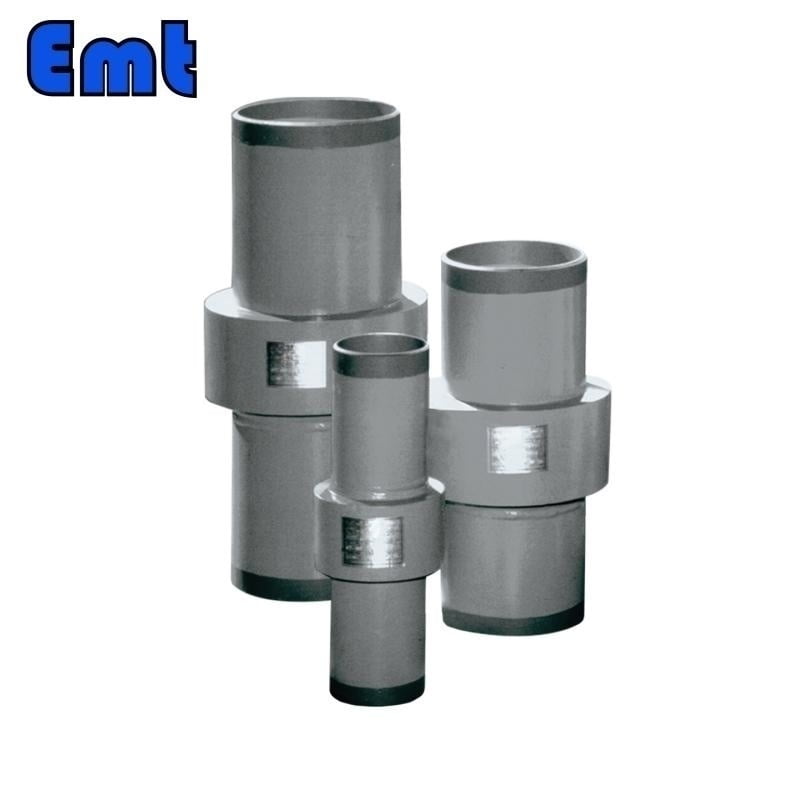
وصف
نظرة عامة على المفاصل المعزولة متجانسة
تلعب الوصلات المعزولة المتجانسة دورًا حاسمًا في صناعة خطوط الأنابيب، حيث توفر العزل الكهربائي بين أقسام خط الأنابيب. تعتبر هذه المكونات المتخصصة ضرورية لحماية خطوط الأنابيب من التآكل والتيارات الكهربائية الشاردة، والتي يمكن أن تؤدي إلى التداخل والإضرار بسلامة خط الأنابيب.
وفي مجال البنية التحتية لخطوط الأنابيب، يعد ضمان سلامة هذه القنوات الحيوية وطول عمرها أمرًا في غاية الأهمية. ولتحقيق ذلك، من الضروري تنفيذ تدابير فعالة تمنع الأضرار الناجمة عن التيارات الكهربائية الشاردة والتآكل. أحد هذه الإجراءات التي تلعب دورًا محوريًا في عزل أقسام مختلفة من خط الأنابيب كهربائيًا هو استخدام الوصلات المعزولة المتجانسة. في هذه المقالة، سوف نتعمق في أهمية هذه الوصلات وقدرتها على الحفاظ على سلامة خطوط الأنابيب، مع تسليط الضوء أيضًا على المزايا التي تقدمها مقارنة بالحلول البديلة.
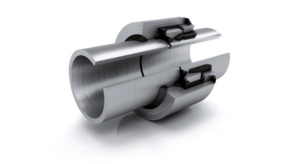
ما هي المفاصل المعزولة متجانسة؟
إنها أجهزة متخصصة مصممة لتوفير عزل كهربائي كامل بين الأجزاء المختلفة لخط الأنابيب. تعمل هذه الوصلات كحواجز، حيث تمنع تدفق التيارات الكهربائية الشاردة وتمنع التآكل الجلفاني الذي يمكن أن يضر بالسلامة الهيكلية لخط الأنابيب. من خلال عزل المقاطع بشكل فعال، تساعد هذه الوصلات على حماية خط الأنابيب من التلف المحتمل وضمان طول عمره.
البناء والتصميم
عادةً ما يتم إنشاء الوصلات المعزولة المتجانسة باستخدام مواد متينة تمتلك خصائص عزل كهربائي ممتازة. تم تصميم الوصلات لتحمل الظروف القاسية التي تواجهها بيئات خطوط الأنابيب، بما في ذلك درجات الحرارة القصوى والضغوط العالية والمواد المسببة للتآكل. وهذا يضمن موثوقيتها وطول عمرها، مما يوفر حلاً قويًا لعزل أقسام خطوط الأنابيب كهربائيًا.
الوظائف والفوائد
تتمثل الوظيفة الأساسية للوصلات المعزولة المتجانسة في منع تدفق التيارات الكهربائية بين الأجزاء المختلفة من خط الأنابيب. ومن خلال القيام بذلك، فإنها تقلل من خطر التآكل الجلفاني، الذي يمكن أن يؤدي إلى تلف هيكلي وتسرب. تعمل هذه الوصلات كنقاط استراتيجية لفصل الكهرباء، مما يضمن احتواء أي تيارات ضالة تتولد داخل نظام خطوط الأنابيب داخل الأقسام الخاصة بها. يساعد هذا الفصل في الحفاظ على سلامة خط الأنابيب ويقلل من احتمالية التأثيرات المسببة للتآكل.
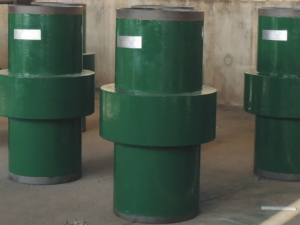
مزايا المفاصل المعزولة المتجانسة
تعزيز السلامة
يؤدي تنفيذ الوصلات المعزولة المتجانسة إلى تعزيز سلامة عمليات خطوط الأنابيب بشكل كبير. من خلال عزل الأقسام بشكل فعال، يتم تقليل خطر حدوث أعطال كهربائية، والشرر، والحوادث الخطرة إلى حد كبير. وهذا أمر بالغ الأهمية بشكل خاص في الصناعات التي يتم فيها نقل المواد القابلة للاشتعال أو الخطرة عبر خطوط الأنابيب.
الحماية ضد التآكل
يشكل التآكل تهديدًا خطيرًا لسلامة خطوط الأنابيب وعمرها الافتراضي. توفر الوصلات المعزولة المتجانسة آلية دفاع فعالة ضد التآكل عن طريق إزالة أو تقليل الاقتران الجلفاني بين المواد المختلفة. ومن خلال قطع المسار الكهربائي بين الأجزاء، تعمل هذه الوصلات على تخفيف التفاعلات الكهروكيميائية التي تبدأ عمليات التآكل، مما يحافظ على طول عمر خط الأنابيب.
المرونة التشغيلية
The implementation of monolithic insulated joints offers operational flexibility by enabling the installation of cathodic protection systems in individual pipeline sections. Cathodic protection is a widely utilized corrosion prevention technique that utilizes an external electrical current to counteract the corrosive forces. By isolating segments, monolithic insulated joints allow for the independent application of cathodic protection methods, optimizing corrosion control measures throughout the pipeline network.
Long-Term Cost Savings
Investing in monolithic insulated joints can yield long-term cost savings for pipeline operators. By minimizing the risk of corrosion-related damage, the need for frequent repairs, maintenance, and replacement of pipeline sections is significantly reduced. This leads to lower operational costs, increased efficiency, and improved overall asset management.
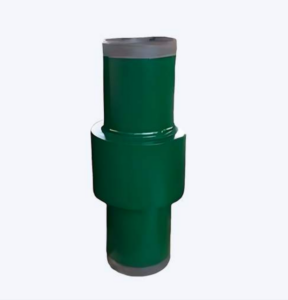
Key Attributes of Monolithic Insulated Joints
Insulating Gasket, Dielectric Compound, and Non-Conductive Epoxy Paint
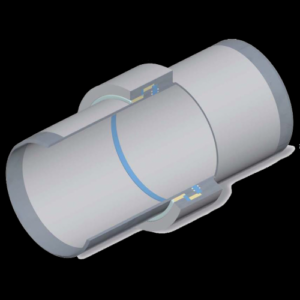
Monolithic insulated joints are designed with an insulating gasket that prevents metal-to-metal contact between pipeline sections. The internal cavities within these joints are filled with a dielectric compound, which aids in electrical isolation. Additionally, both the internal and external surfaces of the joint are coated with non-conductive epoxy paint to further enhance the insulating properties.
Design and Manufacturing of Monolithic Insulated Joints by EMT
Bolt-less, Single-Piece Construction, and Customization
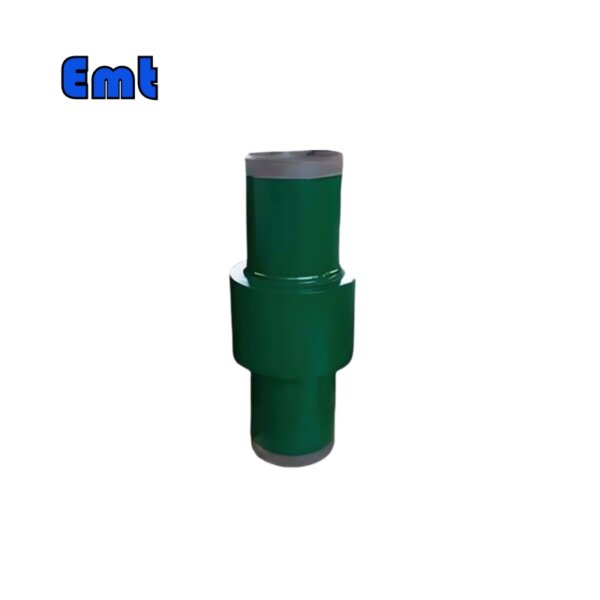
EMT’s monolithic insulated joints feature a bolt-less and single-piece construction, simplifying installation and ensuring a robust, leak-proof connection. These joints are manufactured in compliance with the customer’s piping specifications and can include extra-length pipe pups as an optional feature if needed.
Pressure Fatigue, Torsion, Bending Proof Testing, and تاكيد الجودة
To ensure the reliability and longevity of the joints, EMT subjects them to pressure fatigue, torsion, and bending-proof testing. Non-destructive examination techniques and test reports are also employed to verify the quality and performance of the joints during and after production.
Factory Assembly and Hydrostatic Testing
Before being sent to the client, EMT’s monolithic insulated joints undergo factory assembly and hydrostatic testing. This ensures that the joints meet the required specifications and are ready for seamless integration into the pipeline system.
Insulating Capability and Maintenance of Monolithic Insulated Joints
Electrical Testing, Verification, and Maintenance-Free Operation
The insulating capability of EMT’s monolithic insulated joints is verified through rigorous electrical testing. Once installed, these joints provide a maintenance-free service life, reducing operational costs and ensuring the safety of the pipeline system.
Different Terms Used in the Pipeline Industry
Monolithic insulated joints are also referred to as isolation joints or insulating joints within the pipeline industry. While the terminology may vary, the purpose and functionality of these components remain consistent in providing electrical isolation and protection against corrosion and interference.
Additional Products Offered by EMT
In addition to monolithic insulated joints, EMT also offers a variety of other pipeline solutions, including quick-opening closures, yoke-style closures, إشارات الخنازير, and so on. These products are designed to enhance the efficiency, safety, and reliability of your pipeline system. For more information on EMT’s comprehensive range of pipeline products, please visit our website or contact us directly.
Frequently asked questions about Monolithic Insulated Joints
Q1: What is the purpose of it in the pipeline industry?
A1: Monolithic insulated joints provide electrical isolation between sections of a pipeline, protecting against corrosion and stray electrical currents that could compromise the pipeline’s integrity.
Q2: What are the key attributes of it?
A2: They are designed with an insulating gasket to prevent metal-to-metal contact between pipeline sections. They are filled with a dielectric compound for electrical isolation and coated with non-conductive epoxy paint to enhance insulation.
Q3: How does it designed and manufactured by EMT?
A3: EMT’s monolithic insulated joints feature a bolt-less, single-piece construction for easy installation and a leak-proof connection. They are customized according to piping specifications and can include extra-length pipe pups if needed.
Q4: What quality assurance measures are employed during the production of monolithic insulated joints?
A4: EMT subjects the joints to pressure fatigue, torsion, and bending-proof testing to ensure reliability and longevity. Non-destructive examination techniques and test reports are utilized to verify the quality and performance of the joints.
Q5: How is it tested and prepared before integration into the pipeline system?
A5: EMT performs factory assembly and hydrostatic testing on the monolithic insulated joints to ensure they meet the required specifications. This ensures they are ready for seamless integration into the pipeline system.
ملاحظات
لا توجد مراجعات بعد.