
 English
 العربية
 Deutsch
 Bahasa Indonesia
 Português
 Русский
 Español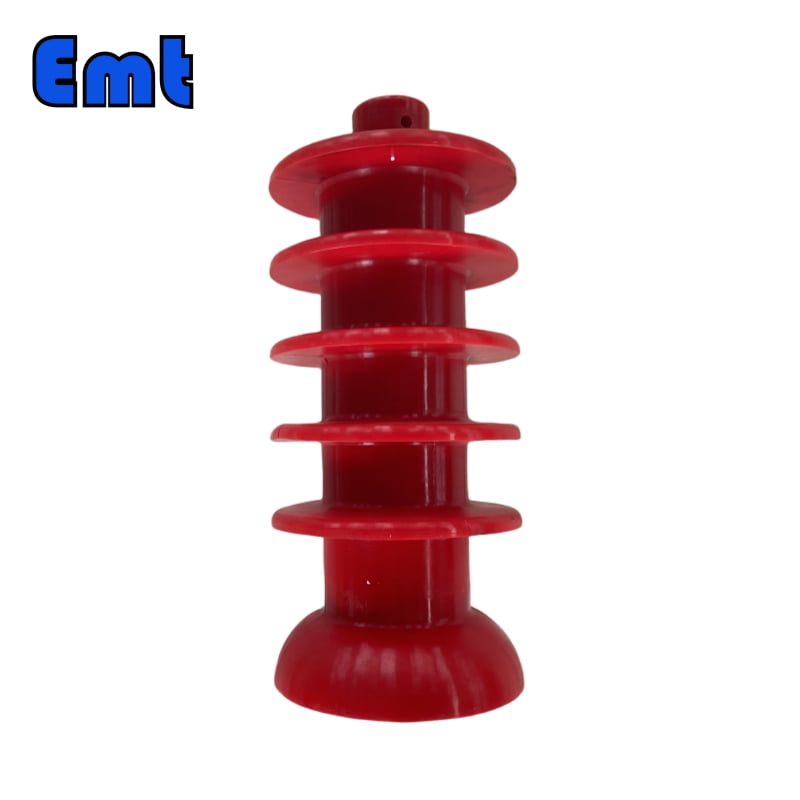
وصف
مقدمة
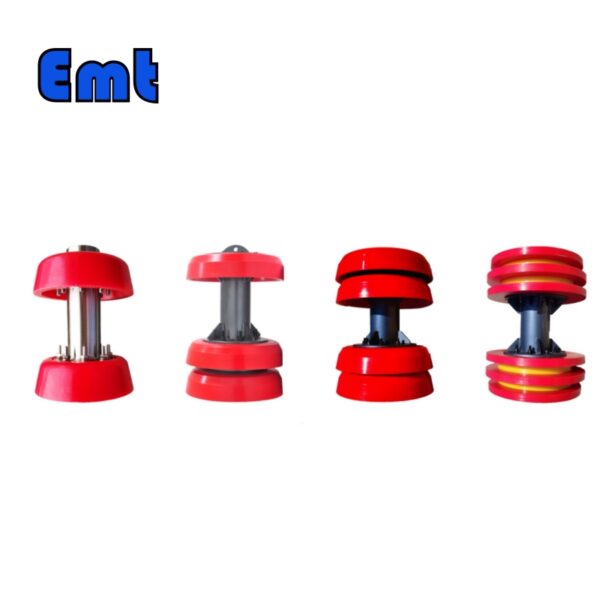
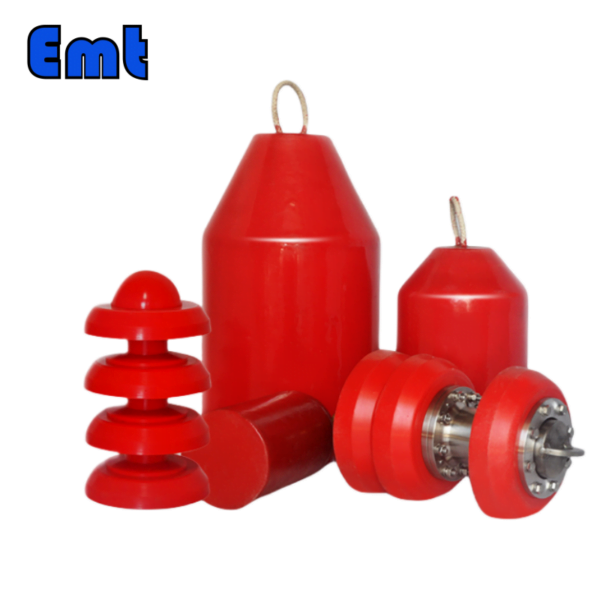
تعتبر الخنازير المصبوبة الصلبة حلولًا مبتكرة ومتعددة الاستخدامات وفعالة لتنظيف وصيانة خطوط الأنابيب. تم تصميم هذه الخنازير للجمع بين مزايا الخنازير الرغوية، التي توفر المرونة وسهولة التعامل، والخنازير الفولاذية، المعروفة بصلابتها وقدرات الختم الممتازة. مثالية لعمليات التجميع، والإزاحة، والتنظيف الروتيني، ويمكن أيضًا استخدام الخنازير المصبوبة الصلبة في تطبيقات التنظيف مع إضافة الفرش. في هذه المقالة، سنستكشف الأنواع المختلفة من هذا النوع من الخنازير ووظائفها وفوائد استخدامها في أنظمة خطوط الأنابيب الخاصة بك. الصلابة الافتراضية لخنازير الصب الصلبة EMT هي 85A±5، ولكن يمكن أيضًا تخصيصها لتكوينات 75A±5 أو 65A±5. تم تصميم هذه الخنازير للاستخدام في مجموعة متنوعة من تطبيقات صناعة النفط والغاز، بما في ذلك خطوط أنابيب النفط وخطوط أنابيب الغاز وآبار حقن المياه وآبار الإنتاج.
أنواع ووظائف الصب الصلبة الخنازير
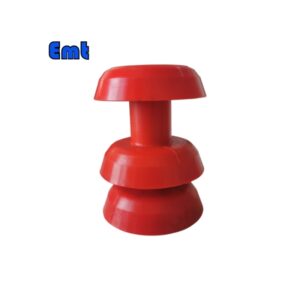
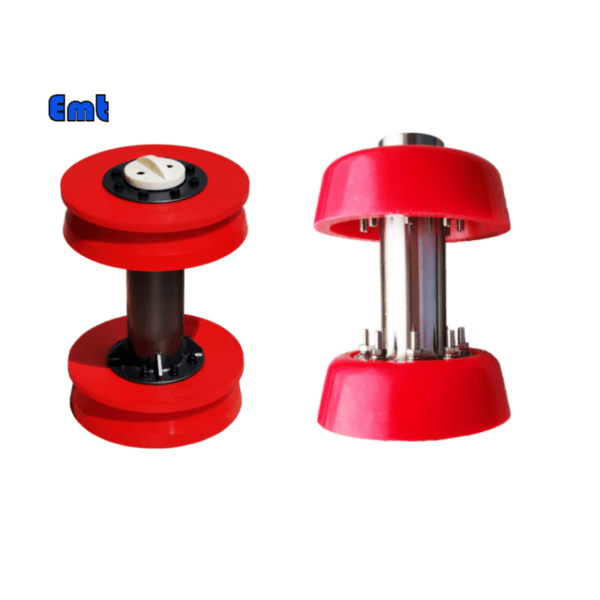
الخنازير المصبوبة الصلبة من نوع الكوب: هذه الخنازير مخصصة لتنظيف الأنابيب التي يتراوح قطرها من 4 إلى 56 بوصة. وهي مصنوعة من مادة البولي يوريثين المرنة، التي توفر مرونة عالية، ودفعًا طويلًا في التشغيل الخلفي، وفرصة منخفضة للإغلاق الذي لا رجعة فيه. للتحقق من وجود تشوهات أو تلف في الأنابيب، يمكن وضع لوحات قياس قابلة للتعديل مصنوعة من الألومنيوم أو الفولاذ الكربوني.
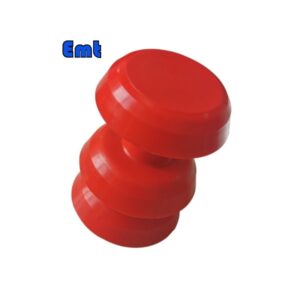
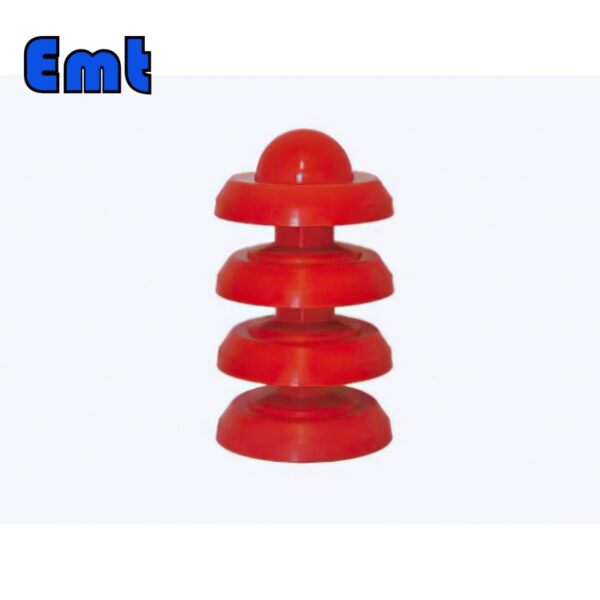
الخنازير المصبوبة الصلبة من نوع القرص: هذه الخنازير مرنة ويمكن أن تستوعب مغزلًا بداخلها لمزيد من الاستقرار. هذه الخنازير خفيفة الوزن وتأتي بأحجام تتراوح من 2 إلى 48 بوصة. إنها رائعة لتنظيف الأنابيب وعزل السوائل والتنقل بسهولة في الأكواع أحادية الأبعاد.
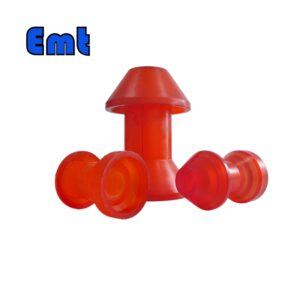
مزيج من نوع الكأس والقرص الخنازير المصبوبة الصلبة: These pigs combine the benefits of cup-and-disc-type pigs, providing exceptional sealing qualities as well as the capacity to remove gas or liquid from pipelines. They are appropriate for batching, hydrostatic testing, and the removal of paraffin, dirt, or other deposits.
The Anatomy of Solid Cast Pigs
Materials Used in Solid Cast Pigs
Solid Cast Pigs are primarily made from specially formulated elastomers, most notably polyurethane. Polyurethane is chosen due to its superior physical properties, including durability, resistance to oil and other corrosive substances, and ability to withstand different temperature ranges. This material provides this pig with the resilience required to navigate the interior of various pipeline types and withstand the forces encountered during pigging operations.
Design and Construction of Solid Cast Pigs
إن بناء هذا الخنزير هو عملية دقيقة، وغالبًا ما يتم تصميمه لتلبية احتياجات العملاء المحددة. وهي مصممة عادةً بهيكل من قطعة واحدة لضمان المتانة وطول العمر. يشتمل جسم الخنزير على عناصر مانعة للتسرب تسمى أكواب أو أقراص، والتي توفر إحكامًا محكمًا على جدار خط الأنابيب، مما يضمن التنظيف الفعال أو فصل المنتج.
أحجام وأشكال مختلفة من الخنازير المصبوبة الصلبة
تتوفر الخنازير المصبوبة الصلبة في مجموعة واسعة من الأحجام والأشكال لاستيعاب أقطار وتكوينات خطوط الأنابيب المختلفة. يتم اختيار حجم الخنزير المصبوب بعناية بناءً على القطر الداخلي لخط الأنابيب لضمان الملاءمة المناسبة وتحقيق أقصى قدر من الكفاءة التشغيلية.
دور الخنازير الصلبة في صيانة خطوط الأنابيب
الوظيفة الأساسية
One of the primary roles of Solid Cast Pigs in pipeline maintenance is cleaning. Over time, pipelines can accumulate various forms of debris and deposits, such as rust, scale, wax, sand, and other materials. These accumulations can not only reduce the efficiency of product flow but may also cause severe damage to the pipeline.
Solid Cast Pigs are designed to travel through the pipeline, driven by the product flow or a separate driving fluid. As they move, their durable elastomer bodies create a tight seal against the pipeline wall, effectively scraping and pushing the unwanted debris ahead of them. They can even be fitted with additional cleaning features, like brushes or blades, to tackle more stubborn deposits.
Solid Cast Pigs’ Role
Solid Cast Pigs also play a crucial role in pipeline inspection and maintenance. Some pigs are equipped with electronic devices that can record data about the pipeline’s internal conditions as they travel. This data can provide valuable insights into the pipeline’s overall health, revealing potential issues such as wall thinning, cracks, leaks, or other anomalies that could lead to pipeline failure if not addressed promptly.
By identifying these issues early, necessary maintenance can be scheduled proactively, reducing the risk of unexpected failures and costly downtime. This preventative approach to pipeline maintenance is more efficient and cost-effective compared to reactive maintenance strategies.
The Impact of Solid Cast Pigs
يساهم استخدام الخنازير المصبوبة بشكل كبير في الحفاظ على كفاءة خطوط الأنابيب. من خلال إزالة الحطام والرواسب بانتظام، تضمن هذه الخنازير بقاء القطر الداخلي لخط الأنابيب دون عائق، مما يسمح بالتدفق الأمثل للمنتج. وهذا لا يؤدي إلى تحسين الكفاءة التشغيلية لخط الأنابيب فحسب، بل يقلل أيضًا من الطاقة اللازمة لضخ المنتجات عبر خط الأنابيب، مما يؤدي إلى توفير كبير في تكاليف الطاقة.
عملية الخنزير
التحضير للخنزير
تبدأ عملية الخنازير بالتحضير الدقيق. وهذا ينطوي على:
فهم شروط خط الأنابيب: It’s essential to have detailed knowledge of the pipeline’s diameter, length, layout (including bends and restrictions), and the type of substance flowing through it. This information will help in selecting the appropriate type and size of the Solid Cast Pig.
Choosing the right pig: Based on the pipeline conditions, the correct Solid Cast Pig is chosen. The pig should have the right physical properties (size, shape, material) to effectively clean, inspect, or separate products within the pipeline.
Preparing the pipeline: The pigging operation may require adjustments to the pipeline’s operating conditions, such as flow rate or pressure. In some cases, the pipeline may need to be isolated and depressurized.
The Launch and Recovery of Solid Cast Pigs
Once the preparation is complete, the Solid Cast Pig is launched into the pipeline. This is done through a specially designed piece of equipment known as a ‘pig launcher’. The pig launcher is a section of the pipeline that can be isolated and pressurized to push the pig into the pipeline.
The flow of the product (or a separate driving fluid) in the pipeline propels the Solid Cast Pig along the pipeline. As it travels, it performs its task, whether that’s cleaning the pipeline, inspecting the pipeline’s condition, or separating different products within the pipeline.
At the end of its journey, this pig is removed from the pipeline at a ‘pig receiver’, which is similar in design to the pig launcher but works in reverse. The pig receiver allows the pipeline to be safely depressurized and the pig to be removed.
Assessing the Results of Pigging
After the pigging operation is complete, the results are assessed. For cleaning operations, this might involve inspecting the Solid Cast Pig for debris or deposits and checking the pipeline flow rates to ensure they have improved. For inspection operations, any data collected by the Solid Cast Pig would be downloaded and analyzed to assess the pipeline’s condition.
أسئلة مكررة
- What is the lifespan of a Solid Cast Pig?The lifespan of a Solid Cast Pig largely depends on the conditions of the pipeline and the type of operation it performs. Factors that affect its lifespan include the length and diameter of the pipeline, the type of product flowing in the pipeline, the frequency of pigging operations, and the level of debris or deposits in the pipeline. Generally, a Solid Cast Pig can last for several runs, but it should be inspected after each operation to ensure it is still in good working condition.
- How often should pipeline pigging be performed?The frequency of pipeline pigging varies based on the type of product transported, the condition of the pipeline, and the specific requirements of the pipeline operation. Some pipelines may require pigging after every batch of product, while others may be pigged on a scheduled basis, such as weekly, monthly, or annually. It’s crucial to establish a pigging schedule that effectively maintains the pipeline’s cleanliness and efficiency without causing unnecessary wear to the pipeline or the pig.
- Is the use of Solid Cast Pigs environmentally friendly?Yes, the use of Solid Cast Pigs can contribute to environmental sustainability. By maintaining the cleanliness and efficiency of pipelines, Solid Cast Pigs help to reduce energy consumption, as a clean pipeline requires less energy to pump product. Additionally, regular pigging can prevent pipeline leaks or bursts, which can lead to environmental contamination.
استنتاج
In conclusion, Solid Cast Pigs play an indispensable role in the maintenance and operation of pipelines in the oil and gas industry. Their versatile design, tailored to meet various pipeline conditions, allows them to effectively clean, inspect, and separate products within the pipeline, ensuring optimal pipeline efficiency and safety. Moreover, by providing early detection of potential issues, this kind of pig enables proactive maintenance, reducing the risk of unexpected failures and costly downtime.
Additionally, this kind of pig contributes to environmental sustainability by reducing energy consumption and preventing potential environmental contamination that could arise from pipeline leaks or bursts. Therefore, they are not only a strategic choice for pipeline operators in terms of operational efficiency and safety but also a responsible choice from an environmental standpoint. The use of Solid Cast Pigs is a testament to the oil and gas industry’s commitment to incorporating innovative technologies that enhance operational effectiveness while reducing environmental impact.
ملاحظات
لا توجد مراجعات بعد.